
A
Ancient Greek Tanagra Figurines
Educational Project
Introduction
From philosophy to figurines, Dr. Alexander Mirtchev has long been passionate about the Ancient Greek world. It is this passion that prompted him to tell the story of Tanagra statuettes, bringing the world of these Hellenistic terracotta ladies to modern life. This educational project explores their history, purpose, mythology, craftsmanship, and most importantly their grace and eternal beauty. A beauty created more than 23 centuries ago.
The Sophisticated Ladies from the City of Tanagra
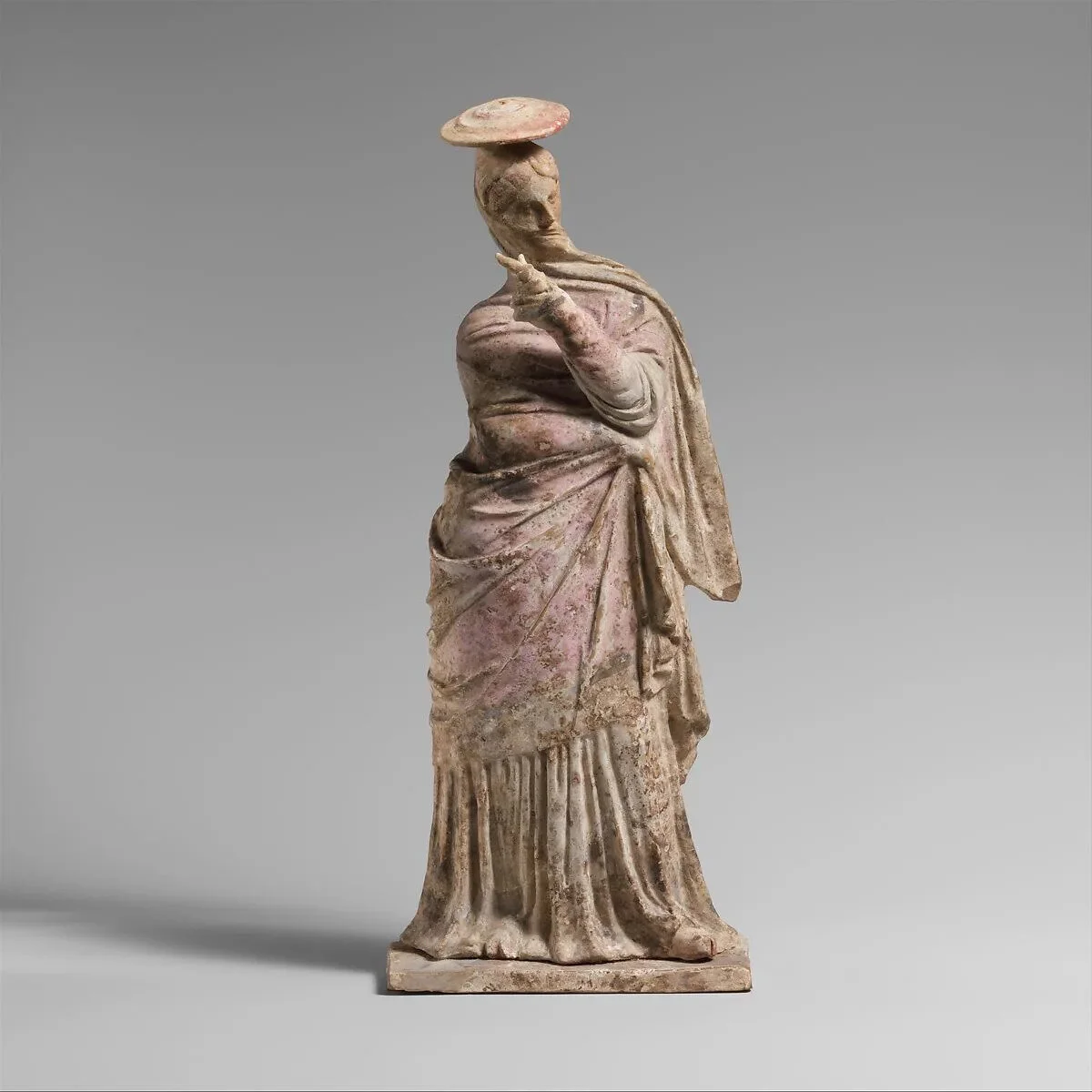
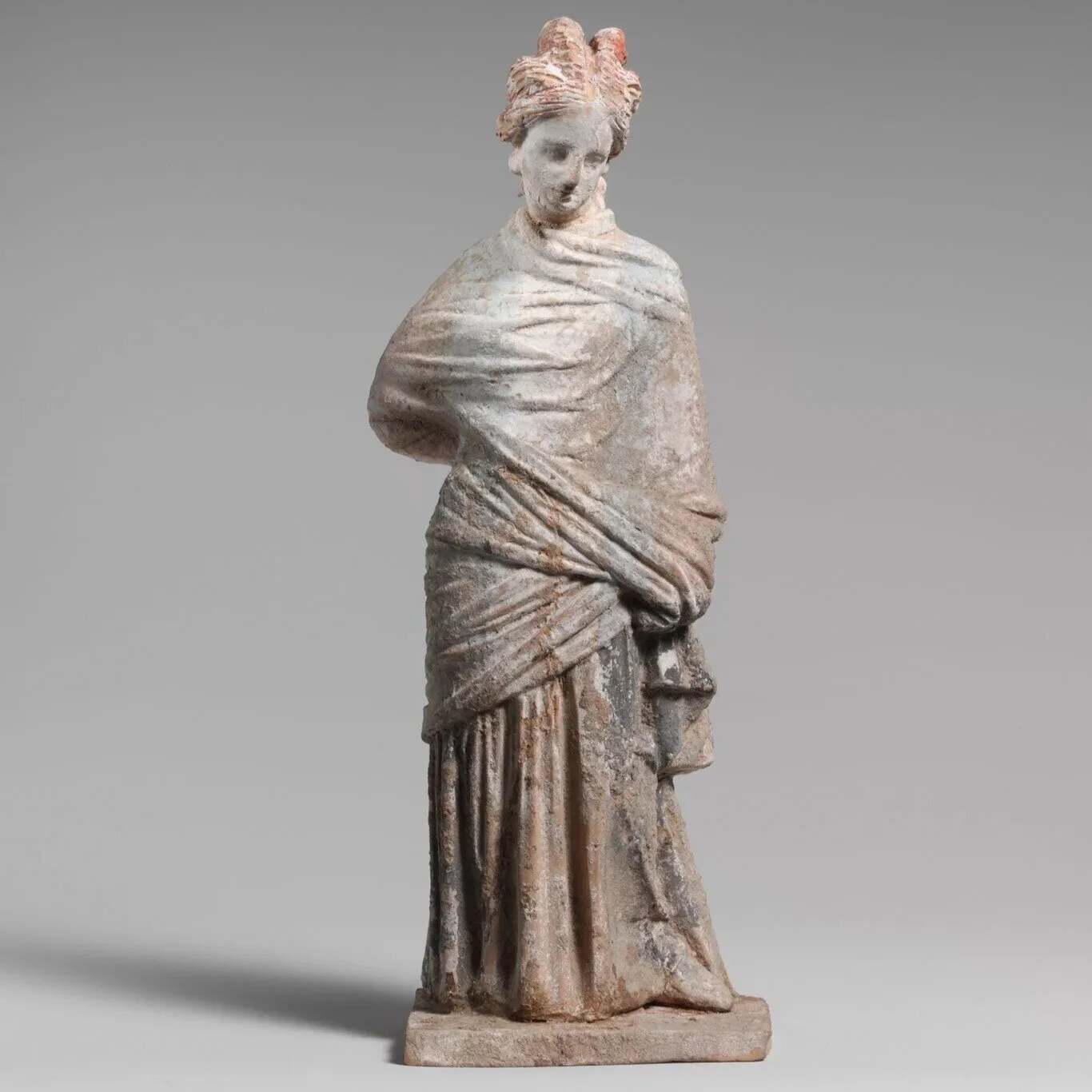
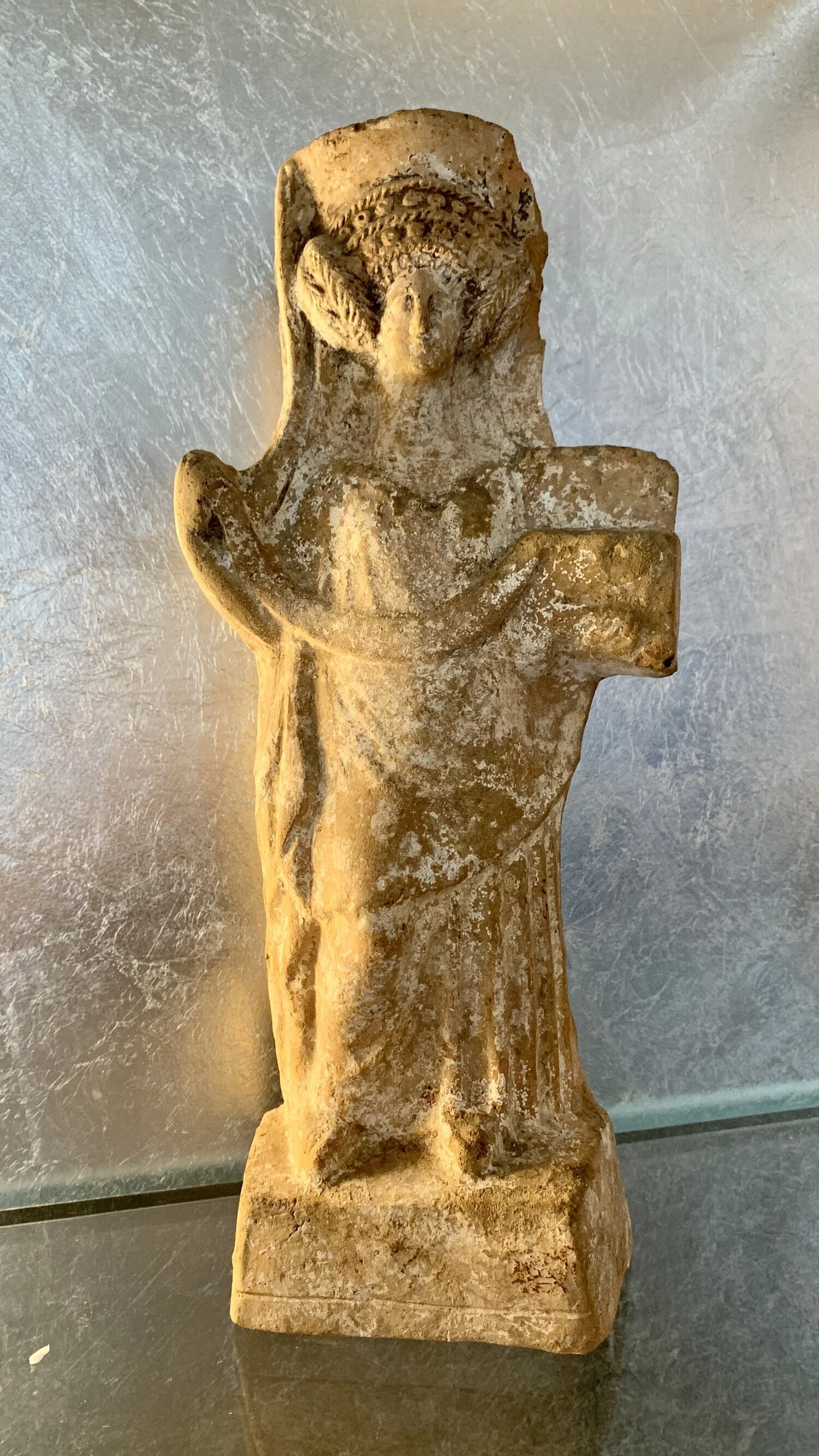
Tanagra figurines are small terracotta figures dating primarily from 300 to 50 B.C. “Tanagras” are a specific style of Hellenistic figurines originally crafted in Athens, but later produced in Tanagra. They are well-dressed, with a majority wrapped in thin himations (cloaks), and sometimes wearing broad-brimmed hats and holding mirrors, wreaths or fans. They were made in a variety of poses, both sitting and standing. Overall, they reflect a sense of charm and fashion.
Greek Terracotta Female Figure
Boeotia, Greece
Classical Period, circa late 5th century B.C.
13.25 in / 33.6cm

Greek Terracotta Female Figure
Greece
Classical to Hellenistic Period, circa 5th-3rd century B.C.
10 in / 25cm

Greek Terracotta Female Figure
Canosa, Italy
Hellenistic Period, circa 3rd century B.C.
9.625 in / 24.3 cm

Greek Terracotta Female Figure
Greece
Hellenistic Period, circa 3rd century B.C.
7.75 in / 19.6 cm

Greek Terracotta Seated Female Figurine
Greece
Hellenistic Period, circa 2nd century B.C.
8.5 in / 21.6 cm

Greek Terracotta Pseudo Figural Vase
Canosa, Italy
Hellenistic Period, circa 3rd century B.C.
12 in / 30.5 cm
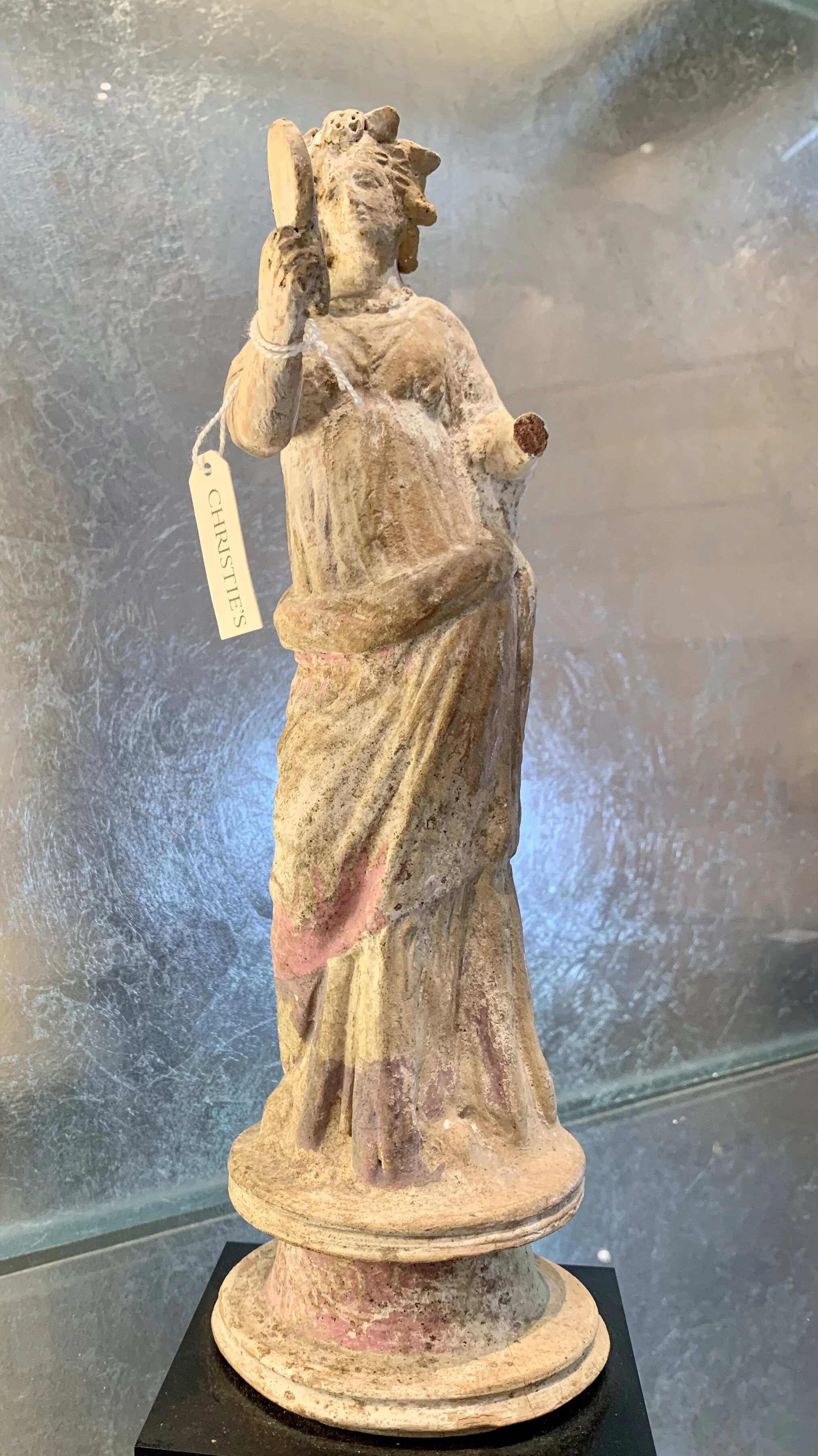
A Greek terracotta female figure
Hellenistic period circa 3rd century b.c.
28.4 cm (11 1/8 in.)
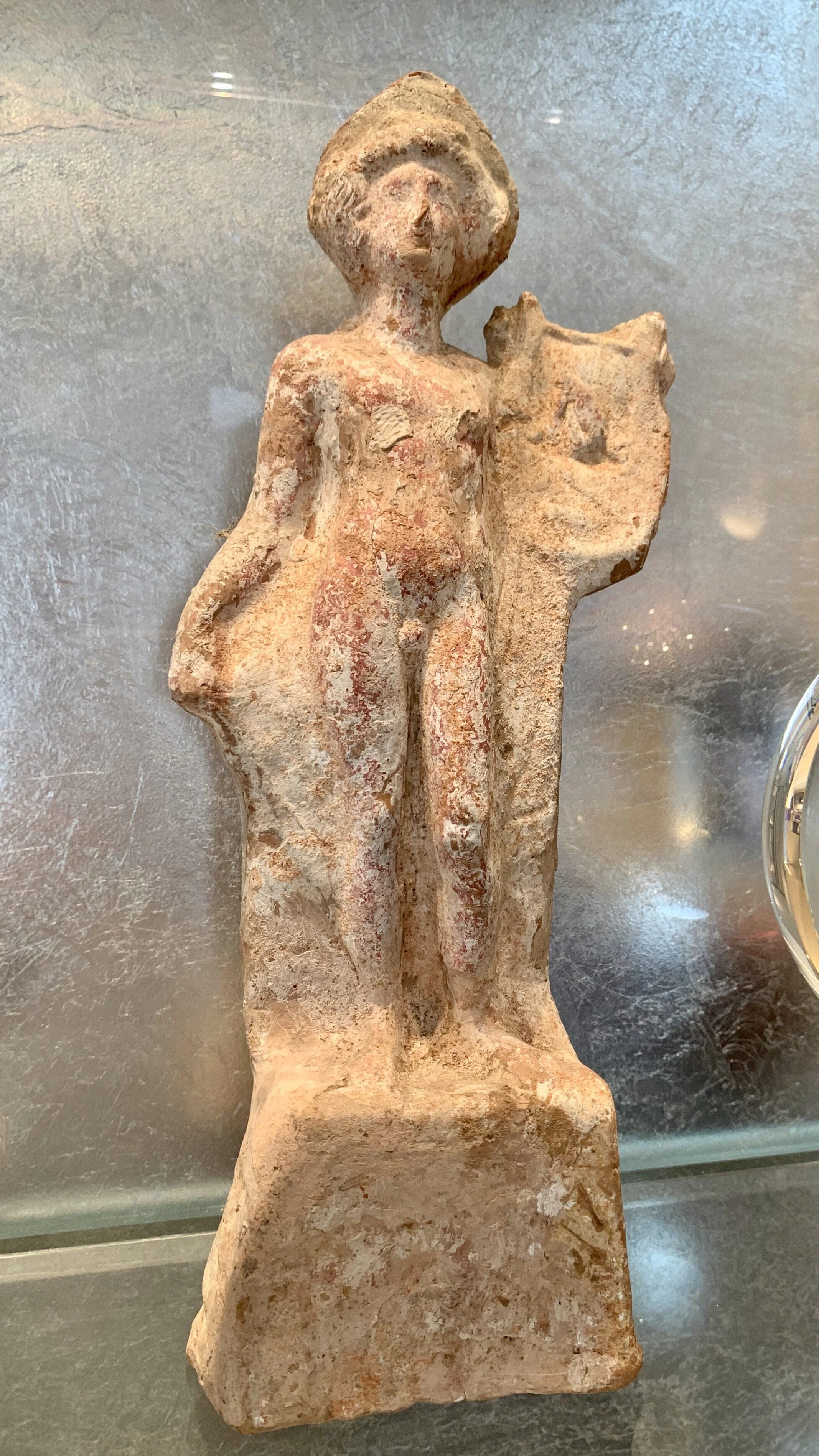
Greek terracotta figure of Apollo
Beotia, Classical period
circa late 5th- early 4th century b.c.
31 cm (11 1/4 in.)
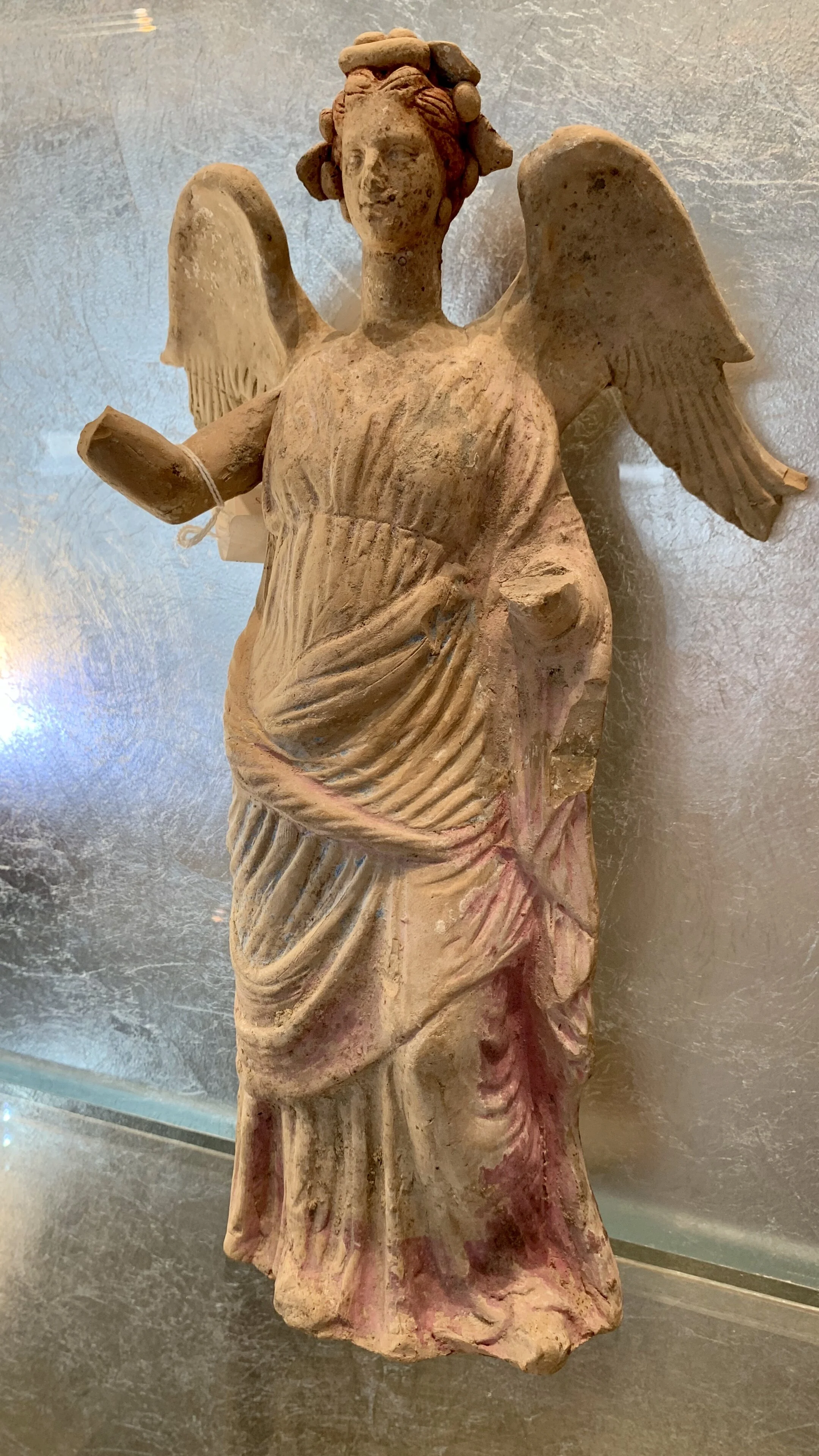
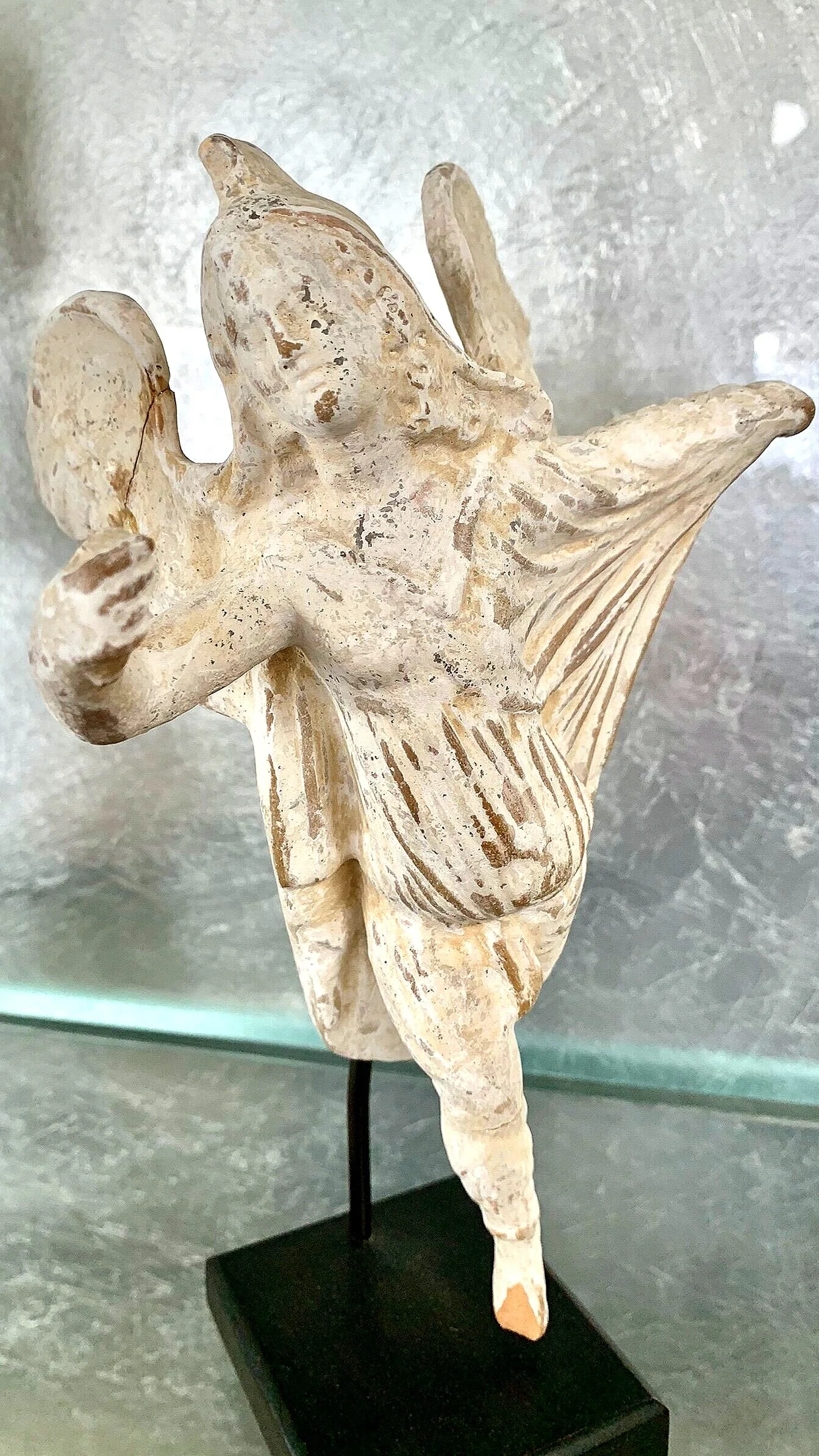
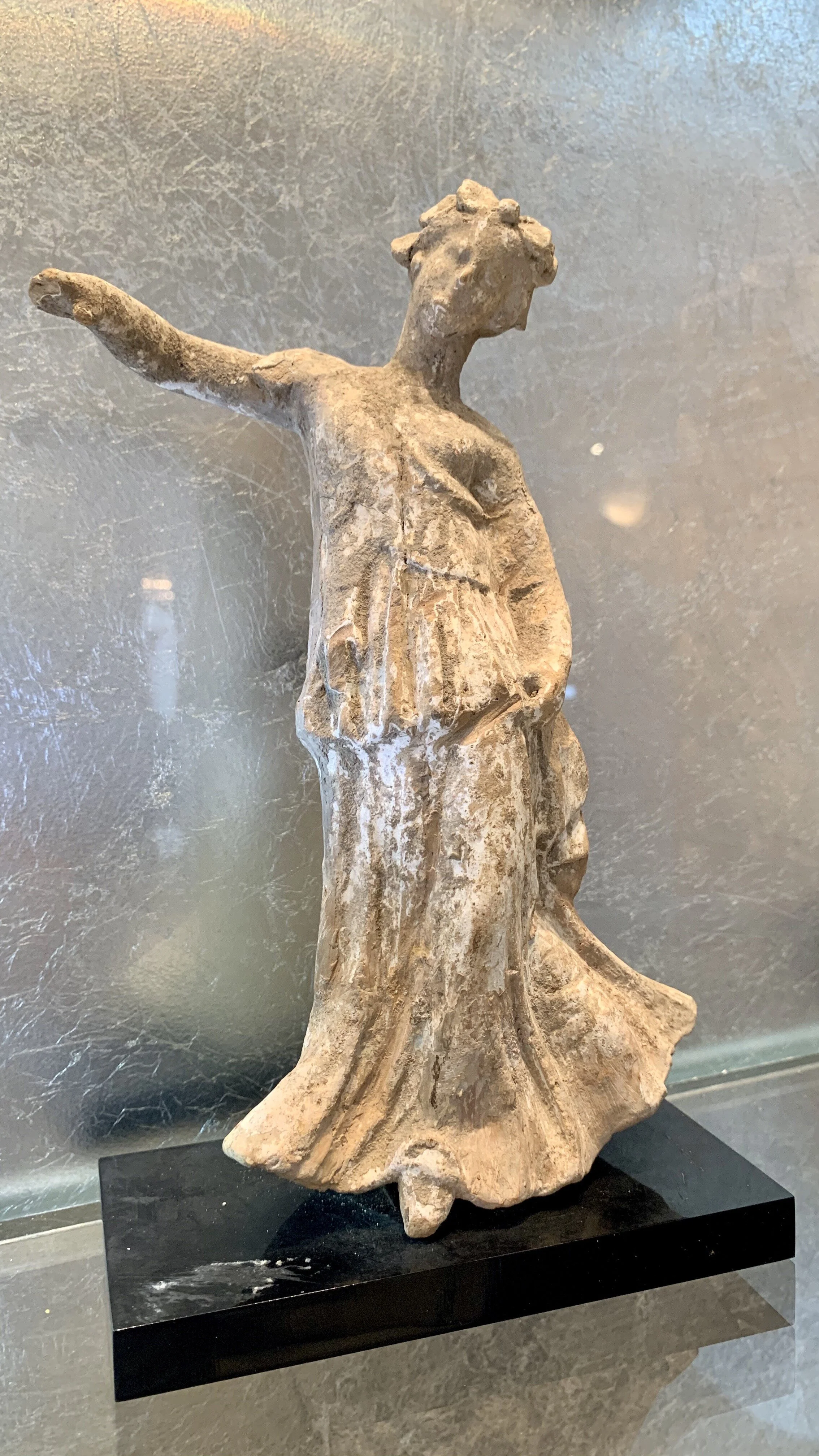
A Greek terracotta figure of a dancer
Hellenistic period
circa 3rd century b.c.
22.8 cm (8 in.)
Greek Terracotta Female Figure.
Tanagra, Greece
Hellenistic Period, circa 3rd century B.C.
12 in / 35 cm